

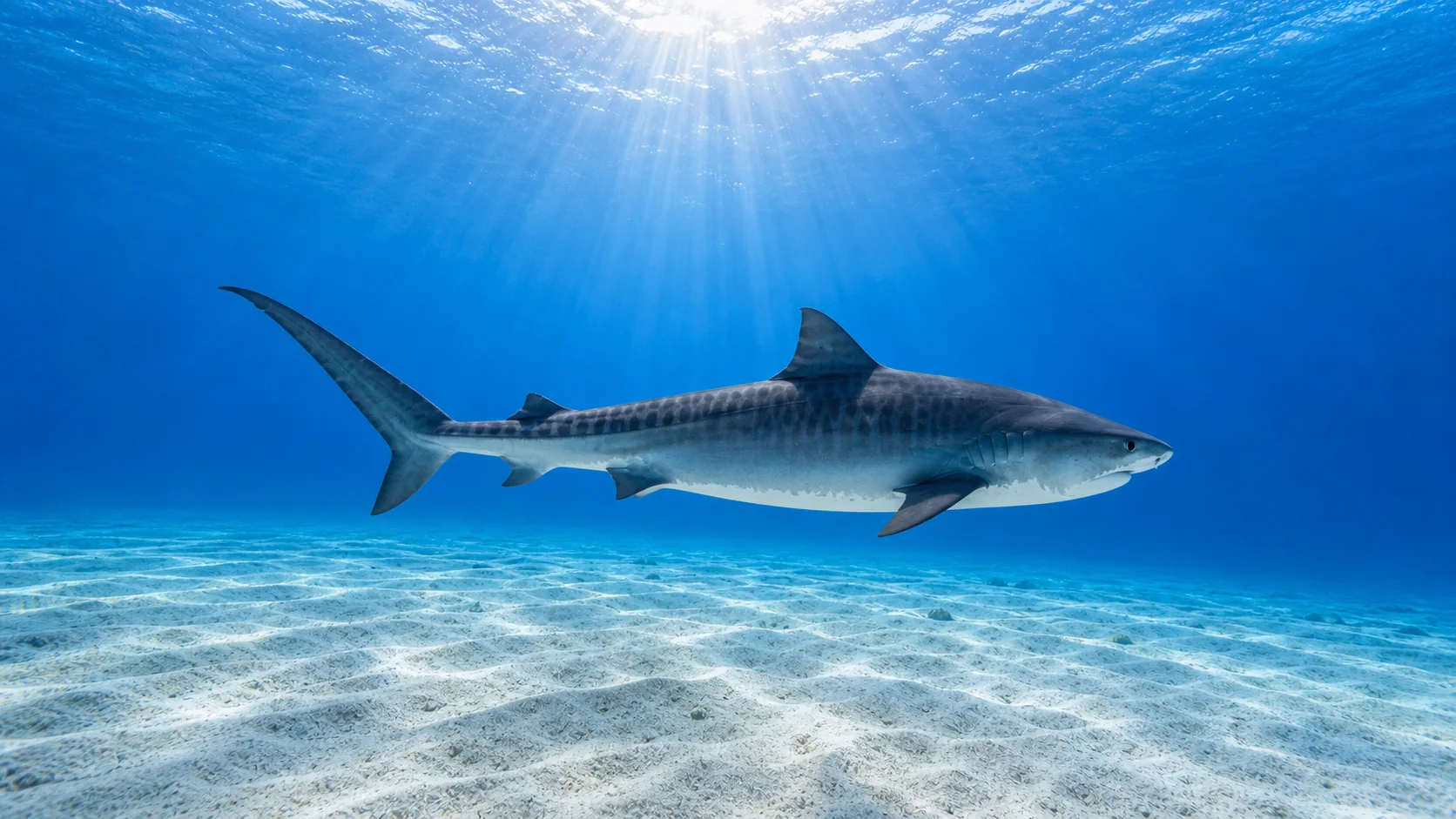
This comprehensive Fuvahmulah budget guide is your essential roadmap to planning a flawless and affordable scuba diving expedition to the deep south of the Maldives. Traveling to a remote, single-island atoll like Fuvahmulah offers an incredibly authentic and adrenaline-filled experience compared to sequestered luxury resorts, but it requires a slightly different approach to financial planning. Because you are visiting an inhabited island with a local Muslim community, there are specific cultural customs, dress codes, and tax realities you absolutely must understand before boarding your domestic flight.
From navigating currency exchange to understanding where you can safely wear swimwear, this ultimate Fuvahmulah budget guide covers everything you need to know about island expenses, local laws, and travel etiquette in 2026.
(Part of our comprehensive Ultimate Fuvahmulah Island Travel Guide)
1. Why You Need a Fuvahmulah Budget Guide for the Deep South
Unlike all-inclusive private resort islands where you never touch your wallet, local islands operate on a cash and card basis through independent dive shops, guesthouses, and village vendors. This Fuvahmulah budget guide is designed to help you avoid unexpected ATM fees, prepare for newly implemented government taxes, and budget accurately for high-end pelagic excursions. With recent updates to Maldivian tourism taxes, knowing exactly what to expect ensures you won’t face any surprises when checking out of your dive lodge.
2. Financial Logistics: Currency & ATMs in Fuvahmulah
One of the most common questions travelers ask involves money access on a remote island. While US Dollars (USD) are widely accepted across most hotels and dive centers, having local currency—Maldivian Rufiyaa (MVR)—is highly recommended for purchasing snacks at small village shops, paying for local cafes, or renting scooters.
- Bank of Maldives ATMs on the Island: Fortunately, cash access is quite easy. There is a state-of-the-art Bank of Maldives (BML) Fuvamulak Branch and self-service ATM kiosk that accepts major international debit and credit cards around the clock. You can easily withdraw local MVR for daily expenses.
- Preferred Payment Methods: Major credit cards are universally accepted at boutique dive hotels and PADI/SSI centers. However, always carry a bit of cash (USD or MVR) for smaller local restaurants, nature park entrance fees, and convenience stores where card machines might occasionally lose connectivity.
- Tipping Culture: Tipping is not strictly mandatory in the Maldives, but leaving a small tip (5% to 10%) for exceptional service at your guesthouse or for your tiger shark dive guides is always greatly appreciated by the hardworking local staff.
3. Estimated Daily Costs & Taxes (2026 Updates)
No Fuvahmulah budget guide would be complete without a breakdown of daily expenses. Traveling to Fuvahmulah on a local island budget is significantly cheaper than staying at a private resort, but you must factor in mandatory government taxes.
Mandatory 2026 Taxes:
As of recent updates by the Maldives Inland Revenue Authority (MIRA), the Green Tax for local guesthouses with 50 rooms or fewer (which applies to almost all properties on Fuvahmulah) is $6 USD per person, per night. There is also a 17% Tourism Goods and Services Tax (TGST) applied to most purchases and accommodation rates.
Average Daily Spending:
| Expense Category | Budget Traveler (USD) | Mid-Range Traveler (USD) |
| Accommodation | $60 – $90 / night (diver homestay) | $130 – $250 / night (boutique dive hotel) |
| Meals & Dining | $15 – $30 / day (local cafes) | $40 – $70 / day (hotel half/full board) |
| Domestic Flights | $250 – $350 (Roundtrip from Malé) | $250 – $350 (Roundtrip from Malé) |
| Tiger Shark Diving | $80 – $100 (per single dive) | $150+ (multi-dive packages) |
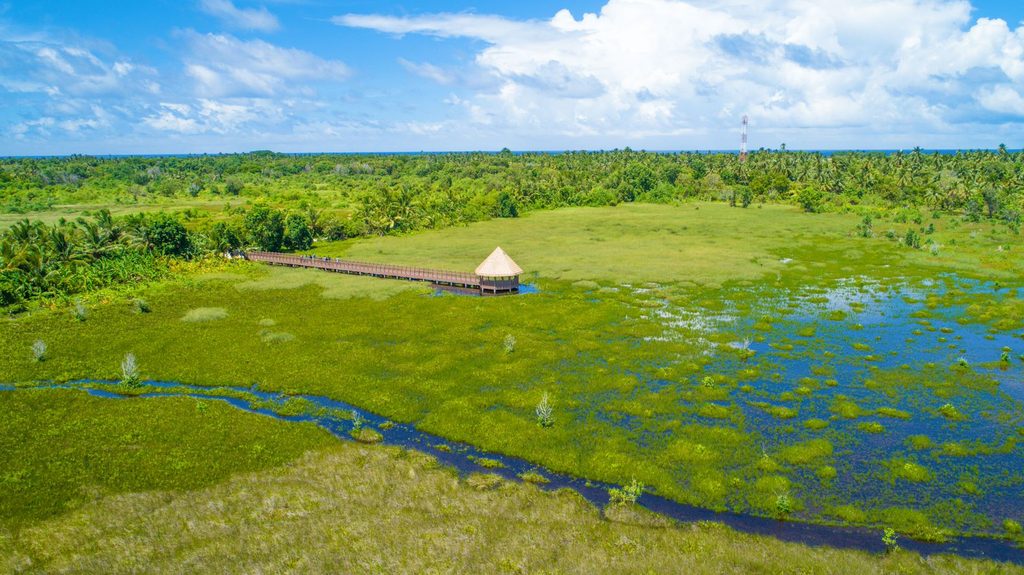
| Nature Park Entry | ~$1 (MVR 5 entry to Dhadimagi Kilhi) | ~$1 (MVR 5 entry to Dhadimagi Kilhi) |
4. Local Island Laws & Thoondu Beach Rules
Fuvahmulah is proudly home to a thriving local Maldivian community. Respecting community guidelines is not just a polite gesture; it ensures a harmonious visit for everyone and abides by national law.
- Alcohol Prohibition: In accordance with national Islamic law, alcohol is strictly prohibited and not sold anywhere on inhabited local islands. You cannot purchase alcohol in local shops, dive centers, or guesthouses.
- Village Dress Code: Outside of your hotel room or the dive boat, modest clothing is absolutely required. Both men and women should ensure their shoulders and knees are fully covered when walking through the village lanes, visiting local shops, or eating at non-beachfront cafes.
- Thoondu Beach Rules: Unlike northern islands with designated “Bikini Beaches” meant for lounging, Fuvahmulah’s famous Thoondu pebble beach is unique. Because of extreme open-ocean currents and crashing waves, swimming at Thoondu is often highly dangerous and strictly discouraged. Furthermore, as a public local area, tourists must dress modestly (no bikinis or speedos) when visiting Thoondu or the freshwater lakes.
5. Frequently Asked Questions (FAQs)
Does this Fuvahmulah budget guide cover US dollar requirements? Yes. If you bring USD cash to Fuvahmulah, ensure your banknotes are crisp, perfectly clean, undamaged, and ideally issued after 2013. Local banks and shops will frequently reject older, creased, or torn bills.
Is Fuvahmulah a safe destination for solo budget travelers? Extremely safe. Fuvahmulah features a very low crime rate, and the local community is exceptionally welcoming to solo technical divers, couples, and eco-travelers alike.
Is Wi-Fi widely available without extra cost? Yes. Most dive lodges, boutique hotels, and cafes offer complimentary high-speed Wi-Fi, which is crucial for uploading large underwater video files. For seamless internet upon arrival, you can pick up a tourist eSIM (Ooredoo or Dhiraagu) at the airport in Malé before your domestic flight.